
Minimally Invasive Total Hip Replacement

Minimally Invasive Total Hip Replacement Surgeon in Colorado Springs
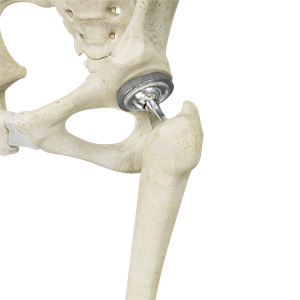
Joint conditions such as arthritis may cause damage to the cartilage and bones leading to chronic pain in the hip and/or disability. The condition can be surgically treated by replacing the damaged parts with artificial components. Eric K. Jepson, DO provides expert diagnosis and minimally invasive hip replacement surgery in Colorado Springs. Eric K. Jepson, DO also provides highly specialized care during and after the surgery. Contact Dr. Jepson's office for an appointment today!
What is Minimally Invasive Total Hip Replacement?
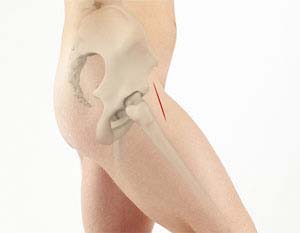
Minimally invasive total hip replacement is a surgical procedure performed through one or two small incisions rather than the single long incision of 10–12-inches as in the traditional approach.
What is Anatomy of the Hip?
The hip joint is one of the body's largest weight-bearing joints and is the point where the thighbone (femur) and pelvis (acetabulum) join. It is a ball-and-socket joint in which the head of the femur forms the ball and the pelvic acetabulum forms the socket. The joint surface is covered by a smooth articular cartilage that cushions and enables smooth movement of the joint.
What is Hip Arthritis?
Hip arthritis is a painful and common disease of the hip joint caused by damage to the cartilage. Total hip replacement surgery is an option to relieve severe arthritis pain that limits your daily activities.
What is the Procedure Involved in Minimally Invasive Total Hip Replacement?
Surgery may be recommended in patients with severe cartilage damage and if conservative treatment options such as anti-inflammatory medications and physical therapy do not relieve the symptoms.
For minimally invasive hip replacement, the surgical technique and artificial implants remain the same as traditional hip replacement; the difference is the use of smaller incisions to perform the surgery and minimal soft tissue dissection. The surgery is performed through either one or two small incisions, under general anesthesia.
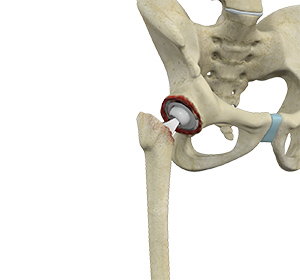
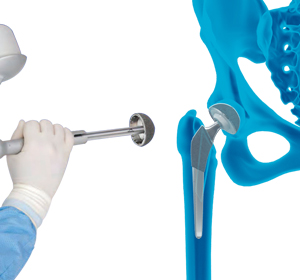
In a single incision minimally invasive approach, your surgeon makes a 3-6-inch incision over the side of your hip to expose the hip joint. The muscles are minimally dissected to reach the joint. The femur is dislocated from the acetabulum. The surface of the socket is cleaned and the arthritic bone is removed using a reamer. The acetabular implant is inserted into the socket using screws or special cement. A liner material of plastic, ceramic or metal is placed inside the acetabular component.
The femur or thigh bone is then prepared by removing the arthritic bone using special instruments and shaped to exactly fit the new metal femoral component. The femoral stem is then inserted into the femur either by a press fit or using bone cement. Then, the femoral head component made of metal or ceramic is placed on the femoral stem. The new joint is realigned. All the new parts are secured in place using special cement. The muscles and tendons around the new joint are repaired and the incision is closed.
If your surgeon uses the two-incision technique, a 2-3-inch incision is made over the groin for the placement of the socket and a 1-2-inch incision is made over the buttock for placement of the femoral stem. This technique requires a longer operative time and is performed under X-ray guidance. The rest of the procedure is the same as the single incision procedure.
What are the Advantages of Minimally Invasive Total Hip Replacement?
The advantages of minimally invasive total hip replacement as compared with traditional total hip replacement may include:
- Smaller incisions
- Lesser muscle dissection
- Minimal postoperative pain
- Shorter hospital stay
- Less trauma to the surrounding tissues
- Quicker recovery
- Less blood loss
- Less scarring
- Faster rehabilitation
What Happens After a Minimally Invasive Total Hip Replacement?
Minimally invasive total hip replacement surgery offers significant benefits over traditional methods, particularly regarding post-operative recovery and activity levels. One of the key advantages is that the traditional restrictions on activities, which were typically imposed to prevent dislocation of the new hip joint, are no longer required though reasonable precautions should be maintained for the first six weeks. Patients are encouraged to resume full activity as soon as possible, limited only by what their hip finds comfortable. This approach not only promotes a quicker return to normal life but also enhances the overall rehabilitation process by allowing patients to engage in natural movements and activities that help strengthen the hip and improve mobility.
What are the Risks and Complications of Minimally Invasive Total Hip Replacement?
As with any major surgical procedure, there are certain potential risks and complications involved with total hip replacement surgery. They include:
- Infection
- Injury to neighboring nerves and blood vessels
- Formation of blood clots in the leg veins
- Implant malposition
- Fracture of the femur or pelvis
Why Choose Dr. Jepson for Minimally Invasive Total Hip Replacement in Colorado Springs, CO?
- Board-certified orthopaedic surgeon: Dr. Jepson is certified by the American Osteopathic Board of Orthopaedic Surgery.
- Advanced joint replacement training: He completed a fellowship in total joint arthroplasty at the Florida Orthopaedic Institute.
- Specialized hip expertise: His clinical interests include hip and knee surgery, total joint replacement, complex joint conditions and arthritis management.
- Individualized surgical planning: Dr. Jepson considers each patient’s anatomy, overall health, joint damage and lifestyle when recommending treatment.
- Clear, patient-centered communication: He encourages patients to ask questions and understand the benefits, risks and alternatives before proceeding with surgery.
- Coordinated recovery support: CSOG’s comprehensive approach guides patients through surgical preparation, treatment and postoperative rehabilitation.
Minimally Invasive Total Hip Replacement FAQs
Both procedures replace damaged portions of the hip with artificial components. The principal difference is that a minimally invasive approach uses one or more smaller incisions and may involve less soft-tissue disruption. The most appropriate approach depends on the patient’s condition and the surgeon’s assessment.
Possible benefits include a smaller incision, less soft-tissue trauma, reduced blood loss, less scarring and a potentially shorter early recovery period. These benefits are not guaranteed, and long-term success depends more heavily on accurate implant placement, appropriate patient selection and proper rehabilitation than incision size alone.
Many patients begin standing and walking with assistance on the day of surgery or shortly afterward. A physical therapist may teach safe movement techniques and recommend a walker, cane or another assistive device during early recovery. The timeline varies according to the patient and the procedure performed.
Many patients gradually resume routine activities over several weeks, while strength, balance and endurance may continue improving for several months. Recovery is influenced by age, general health, preoperative fitness and adherence to postoperative instructions. Dr. Jepson’s team will provide guidance based on individual progress.
Potential risks include infection, bleeding, blood clots, fracture, dislocation, implant malposition and injury to nearby nerves or blood vessels. Some patients may need a larger incision during surgery to complete the procedure safely. Dr. Jepson will explain the relevant risks and expected benefits during the consultation.
Request a Hip Replacement Consultation in Colorado Springs
If arthritis-related hip pain is affecting your mobility, independence or quality of life, schedule an evaluation with Dr. Eric K. Jepson at Colorado Springs Orthopaedic Group. Dr. Jepson can assess your joint damage, review appropriate conservative and surgical treatments and determine whether a minimally invasive total hip replacement approach may be suitable for you. Contact CSOG to request an appointment at its North or South Campus for specialized hip replacement care in Colorado Springs, CO, and surrounding Southern Colorado communities.